

TOOLKIT
CSE We Can Count On: Building and Harnessing Community Support for Comprehensive Sexuality Education in Schools
Strategies and practical tools for how to build grassroots support for and prevent resistance to in-school sexuality education
November 2021
The Starting Point
Comprehensive sexuality education (CSE) often meets resistance from communities. Misconceptions and misunderstandings about what CSE teaches can be a driver of this resistance. And without trust from students, parents, teachers, and school officials, even well-designed CSE programs struggle to take root.
In Brief
"CSE We Can Count On" is a toolkit that shares Projet Jeune Leader's strategies for building and sustaining community support for in-school CSE in rural Madagascar. It offers practical, ready-to-use resources for building trusting relationships at the community level, drawing upon our experience of what actually works.

Key Takeaways
→ CSE educators are trusted, front-line messengers who shape how communities understand and accept CSE. As such, recruiting, equipping, and supporting the right people matters.
→ Uplifting youth and parents' voices from the start – for instance, through feedback loops and constituent-driven communications – makes CSE more effective and more understood.
→ Careful, values-aligned language can help frame CSE in a way that resonates with communities and reduces resistance.
→ Long-term partnerships – not transactional ones! – build lasting support and a CSE program that reflects what stakeholders actually need.

Strategy 1: Empower the Messengers
Teachers and educators are not only deliverers of CSE – they are also the main messengers that convey its purpose and content.
That is why it is important to intentionally recruit those who will serve as CSE brand messengers. Those selected should then be equipped with the tools to showcase their work and trained, supervised, and supported to be able to effectively spread new ways of thinking about CSE.


Strategy 2: Build Engagement and Redistribute Power
If youth’s needs, interests, priorities, and voices are included and amplified from the beginning, CSE is more attractive, relevant, and effective. In contrast, when youth and parents are excluded from conversations on CSE, it creates a void that risks being filled with false narratives.
We have found that when we build and redistribute power to youth and less-heard stakeholders – like parents in rural areas – we create an exciting mass of support for CSE across a broad range of communities.


Strategy 3: Shift the Narrative
Careful use of language is one way to frame the conversation on CSE and mitigate community resistance. In addition to watching the words that we use, we may need to reframe the narratives we use surrounding the purpose and content of CSE to resonate with the values, interests, and worldviews of the stakeholders we work with.


Strategy 4: Nurture Community and Meaningful Partnerships
If we want to build a base of CSE supporters in our communities, we must forge sustained and accountable partnerships. It is difficult – if not impossible – to create long-term support for CSE with extractive or transactional relationships that only focus on short-term tactical gains.
In our experience, meaningful partnerships have resulted in shared ownership leading to a more durable and sustainable approach, a CSE program aligned with all stakeholders’ needs, and stronger understanding of operational nuances for responding to sensitivities and misconceptions about CSE in local communities.


Discover Other Resources
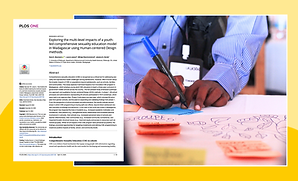
Exploring the multi-level impacts of a youth-led comprehensive sexuality education model in Madagascar using Human-centered Design methods
This study with 140 school principals and administrators, published in Plos One, examines the spillover effects of comprehensive sexuality education on families, schools, and communities in Madagascar.

“My life would not be the same”: A qualitative, retrospective evaluation of the post-programme outcomes of an in-school comprehensive sexuality education programme in Madagascar
A retrospective study, published in Sex Education, into how PJL's CSE program shaped former learners’ lives a few years after they participated in the program

From Classroom to Community: A Study of the Multi-Level Impacts of a Comprehensive Sexuality Education School Subject in Madagascar through Collaborative Filmmaking
Through Collaborative Filmmaking, a participatory visual research methodology, CSE teachers in Madagascar's rural public middle schools documented how the subject can positively transform a school community